Our St. Paul Truck Accident Lawyers Can Help You Get Compensation
A serious truck crash can leave you hurt, confused, and unsure where to turn. When someone else’s actions cause that harm, a St. Paul truck accident lawyer can step in to protect your interests and handle the legal work while you focus on healing.
Tyroler Leonard Injury Law represents people in St. Paul, MN, who have suffered injuries or lost loved ones in truck accidents caused by careless drivers, trucking companies, or other responsible parties.
A knowledgeable St. Paul personal injury attorney from our firm helps gather proof, deal with insurers, and pursue payment that reflects what the crash has taken from you. Reach out for a free consultation and talk through what happened.
Table of contents
- Our St. Paul Truck Accident Lawyers Can Help You Get Compensation
- Key Takeaways: St. Paul Truck Accident Claims
- Understanding Truck Accidents in St. Paul
- What Types of Compensation Can I Recover After a St. Paul Truck Accident?
- Who Can Be Held Liable in a Minnesota Truck Accident?
- Minnesota Laws That Apply to Truck Accident Claims
- How Long Do I Have to File a Truck Accident Lawsuit in St. Paul?
- What Evidence Is Needed to Prove a Truck Accident Claim?
- How Does Minnesota’s Comparative Fault Law Affect My Truck Accident Case?
- Common Injuries in St. Paul Truck Accidents
- How Tyroler Leonard Injury Law Can Help
- Frequently Asked Questions About Truck Accident Claims in St. Paul
- Contact Our Experienced Truck Accident Lawyers in St. Paul Now
Key Takeaways: St. Paul Truck Accident Claims
- Truck accidents often involve higher stakes because of the size and weight of commercial vehicles.
- Multiple parties may share responsibility, not just the truck driver.
- Minnesota law sets time limits and fault rules that shape every claim.
- Strong evidence often comes from trucking records, vehicle data, and medical documentation.
- Acting promptly helps preserve proof and strengthens your position.
Understanding Truck Accidents in St. Paul
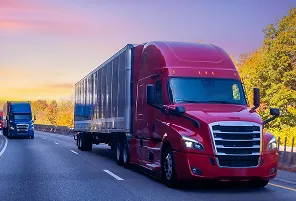
Truck crashes differ from regular car accidents in ways that matter for injured people. The vehicles weigh more, cause deeper damage, and involve layers of state and federal rules. A clear look at how these wrecks happen in St. Paul helps explain why legal help plays such a large role.
The Severity of Commercial Truck Crashes
Commercial trucks can weigh up to 80,000 pounds when fully loaded. That weight turns even a moderate-speed collision into a dangerous event. Smaller vehicles absorb the force, often leading to serious injuries that require care at places like Regions Hospital in downtown St. Paul. Recovery may involve surgeries, therapy, and long stretches away from work, which adds stress during an already hard time.
Common Causes of Truck Accidents in Minnesota
Many truck crashes trace back to preventable behavior or poor company practices. Common causes include driver fatigue from long shifts, distracted driving, speeding to meet delivery deadlines, and poor truck maintenance. Minnesota winters also play a role. Snow and ice magnify problems when a truck’s brakes or tires don’t perform as they should.
St. Paul’s High-Risk Areas for Truck Collisions
Certain parts of the city see more truck traffic and higher crash rates. West Seventh Street, which connects downtown to the airport, carries a steady mix of commercial trucks and commuters. Tight lanes, traffic signals, and changing speeds increase the chance of a serious collision in that corridor.
What Types of Compensation Can I Recover After a St. Paul Truck Accident?
After a truck accident, the law allows injured people to pursue payment for losses connected to the crash. These categories reflect different ways a collision affects daily life and future plans.
Economic Damages in Minnesota Truck Accident Cases
Economic damages cover direct financial losses tied to the accident. These often include medical bills, rehabilitation costs, prescription expenses, and lost income. For example, treatment at HealthPartners Clinics or follow-up care with specialists can add up quickly. Pay stubs, invoices, and employment records help show how the crash affected your finances.
Non-Economic Damages Available to Victims
Non-economic damages address the human side of an injury. Pain, reduced enjoyment of activities, and the strain injuries place on relationships fall into this category. Minnesota law allows these damages to reflect how injuries limit your ability to live the way you did before the crash.
Punitive Damages Under Minnesota Law
Punitive damages aim to address conduct that shows deliberate disregard for safety. Minnesota courts allow these damages in limited situations, such as when a trucking company knowingly ignores safety rules. These awards focus on accountability rather than repayment of specific losses.
Who Can Be Held Liable in a Minnesota Truck Accident?
Truck accidents often involve more than one responsible party. Identifying each one helps build a stronger claim.
The Truck Driver’s Responsibility
Truck drivers must follow traffic laws and safety rules. Actions like speeding, distracted driving, or driving while tired can place responsibility on the driver. Logbooks and electronic records often show whether the driver followed required rest periods.
Trucking Company Liability Under Federal and State Regulations
Trucking companies control hiring, training, and maintenance. When a company pressures drivers to meet unrealistic schedules or skips inspections, that behavior can contribute to a crash. Federal Motor Carrier Safety Regulations set clear standards that companies must follow.
Third-Party Liability in Complex Truck Crashes
Sometimes, another party plays a role. A cargo loading company may secure freight improperly, causing a truck to tip or spill its load. Road contractors may leave hazards in construction zones that affect truck handling. Each situation requires careful review.
Product Liability When Defective Parts Cause Accidents
Mechanical failures sometimes trace back to defective parts. Brake systems, tires, or steering components may fail due to design or manufacturing flaws. In those cases, the company that made or sold the part may share responsibility, particularly in situations involving deadly defective vehicle accidents.
Minnesota Laws That Apply to Truck Accident Claims

State and federal laws shape how truck accident claims move forward. Knowing these rules helps injured people understand what to expect.
Federal Motor Carrier Safety Regulations
Federal rules govern driver hours, vehicle inspections, and cargo limits. These regulations aim to reduce crashes by setting minimum safety standards. Violations often provide strong support for a claim.
Minnesota’s Comparative Fault Rule (Minn. Stat. § 604.01)
Minnesota uses a comparative fault system. Each party receives a percentage of fault based on their actions. If your share stays at 50 percent or less, the law allows recovery reduced by that percentage. This rule makes accurate fault assessment very important.
Minnesota’s No-Fault Insurance Requirements
Minnesota’s no-fault system requires drivers to carry personal injury protection coverage. This insurance pays certain medical expenses and wage losses regardless of fault. Serious truck accidents often exceed no-fault limits, which opens the door to claims against the at-fault parties.
How Long Do I Have to File a Truck Accident Lawsuit in St. Paul?
Most truck accident lawsuits must begin within six years of the crash date. That clock starts ticking right away, even while medical treatment continues.
Exceptions That May Extend or Shorten the Deadline
Some situations change the deadline. Claims involving minors or government entities follow different rules. A lawyer reviews the facts to determine which timeline applies.
Why Acting Quickly Protects Your Rights
Early action helps secure evidence before it disappears. Surveillance footage may get erased, and witnesses’ memories fade. Quick steps also prevent insurers from shaping the narrative without your input.
What Evidence Is Needed to Prove a Truck Accident Claim?
Strong evidence forms the backbone of any truck accident case. Each type of proof adds clarity to what happened and who bears responsibility. An attorney can help with:
Obtaining the Truck Driver’s Logbooks and Records
Driver logbooks show hours worked and rest periods taken. These records reveal whether fatigue played a role. Federal law requires drivers to keep accurate logs, often in electronic form.
Securing Black Box Data and Electronic Logging Devices
Many trucks carry event data recorders, often called black boxes. These devices capture speed, braking, and engine data before a crash. That information paints a clear picture of the truck’s behavior.
Accident Scene Documentation and Witness Statements
Photos, videos, and witness accounts provide immediate context. Statements from people who saw the crash near places like Snelling Avenue can confirm traffic conditions and driver actions.
Medical Records and Expert Testimony
Medical records connect injuries directly to the crash. Doctors explain diagnoses and treatment plans in plain terms. In some cases, professionals with technical training explain how injuries occurred and what recovery may involve.
How Does Minnesota’s Comparative Fault Law Affect My Truck Accident Case?

Fault rules shape the outcome of many truck accident claims. Understanding how shared responsibility works helps set realistic expectations.
Understanding the 51% Bar Rule
Minnesota law bars recovery if a person carries more than 50 percent of the fault. Staying below that threshold keeps the claim viable.
How Shared Fault Reduces Your Compensation
When fault gets divided, the final amount reflects that split. For example, a 20 percent share of fault reduces the final recovery by the same percentage.
Defending Against Unfair Fault Allegations
Insurance companies often try to shift blame to limit payouts. Careful evidence review and expert witness testimony help counter those claims and keep fault assessments accurate.
Common Injuries in St. Paul Truck Accidents
Truck crashes often cause injuries that require extensive treatment and time to heal.
Traumatic Brain Injuries and Spinal Cord Damage
Head and spine injuries may affect memory, movement, and daily independence. Treatment often involves neurologists and rehabilitation teams at facilities like United Hospital in St. Paul.
Broken Bones and Crush Injuries
The force of a truck collision can break bones or trap occupants inside vehicles. Surgeries, casts, and physical therapy often follow.
Internal Injuries and Organ Damage
Blunt force trauma may injure internal organs. These injuries sometimes appear hours or days later, which makes prompt medical evaluation very important.
Psychological Trauma and PTSD
Emotional effects often linger after physical wounds heal. Anxiety, sleep problems, and fear of driving commonly follow serious crashes. Counseling and therapy play a role in recovery.
How Tyroler Leonard Injury Law Can Help
Tyroler Leonard Injury Law supports clients through every stage of a truck accident claim, from investigation through resolution.
Thorough Investigation of Your Truck Accident
Our firm gathers police reports, trucking records, and medical documentation to build a clear picture of what happened. This detailed approach helps identify all responsible parties.
Dealing with Insurance Companies on Your Behalf
Insurance adjusters often move quickly to protect their company’s interests. Our attorneys handle communication, respond to requests, and push back when insurers undervalue claims.
Building a Strong Case for Maximum Compensation
Careful documentation of medical care, lost income, and future needs supports a claim that reflects the full scope of your losses. The goal focuses on presenting a clear, well-supported demand.
Trial Representation When Settlement Isn’t Enough
Sometimes, insurance carriers or at-fault parties refuse to take responsibility. In those situations, our firm prepares the case for court and presents it to a judge or jury.
Our attorneys hold five-star ratings and a record of favorable outcomes in truck accident cases. Past results don’t predict future outcomes, but clients can feel confident knowing their case receives careful attention.
Client reviews often highlight compassionate support, clear communication, and steady advocacy aimed at securing meaningful financial recovery.
Frequently Asked Questions About Truck Accident Claims in St. Paul
How much does it cost to hire a St. Paul truck accident lawyer?
Most truck accident cases work on a contingency fee. That arrangement means legal fees come from the recovery rather than upfront payments.
What if the truck driver was from out of state?
Out-of-state drivers still must follow Minnesota laws while driving here. Claims usually proceed in Minnesota courts when the crash occurs in St. Paul.
Can I still file a claim if I was partially at fault for the accident?
Minnesota’s comparative fault law allows claims when fault stays at 50 percent or less. The final amount reflects each party’s share of responsibility.
How long does a truck accident case typically take in Minnesota?
Timelines vary based on injury severity, evidence, and insurer cooperation. Some cases resolve in months, while others take longer when litigation becomes necessary.
What if the trucking company offers me a settlement right away?
Early offers often aim to limit payouts before the full impact of injuries becomes clear. Speaking with a lawyer before accepting any insurance settlement helps protect your interests.
Contact Our Experienced Truck Accident Lawyers in St. Paul Now

Truck accident claims involve strict deadlines and evidence that can disappear quickly. Acting promptly helps preserve proof and strengthens your position. Tyroler Leonard Injury Law brings local knowledge, careful preparation, and steady advocacy to every case. The firm focuses on accountability and clear communication while pursuing fair financial recovery for injured clients and families.
For a free consultation, contact Tyroler Leonard Injury Law and discuss the next steps toward moving forward.