You are driving on an unfamiliar road, maybe on a business trip in Minneapolis or a family vacation. The car’s controls feel slightly different, the sightlines are new, and then, it happens. A collision.
The shock and fear are the same as in any accident, but a new, sinking feeling of dread follows them. This is not your car. The rental agreement sits in the glovebox like a ticking time bomb, filled with fine print you never read.
Suddenly, a complicated situation becomes a logistical nightmare involving multiple insurance companies, finger-pointing, and a rental corporation whose only concern is its damaged asset.
Your simple question, what happens if you’re in a car accident in a rental vehicle?, has no simple answer. It pulls you into a complex web of liability that you must navigate while trying to recover from your injuries. Speaking with an experienced Minneapolis car accident lawyer can help you understand your rights and protect your claim.
Key takeaways
- A car accident in a rental vehicle creates a complex insurance puzzle involving your personal auto policy, the rental company's supplemental coverage, and potential credit card benefits.
- The first step is always to determine fault, as this dictates which parties are responsible for paying for injuries, property damage, and the rental company's losses.
- In Minnesota, your own No-Fault (PIP) coverage provides your initial medical benefits and wage loss reimbursement, even though you were driving a rental car.
- Your rental agreement contractually obligates you to report the accident to the rental company immediately. A delay can lead to severe financial penalties.
- The rental company will aggressively pursue you or the at-fault party for costs far beyond simple repairs, including "loss of use" fees and diminished value.
The Accident Scene: Increased Complexity and Obligations
While your immediate priority after any crash is your health and safety, a rental car accident introduces unique responsibilities from the very first moment. The evidence you must gather and the notifications you must make are more extensive than in a typical collision.
The rental agreement: a legally binding contract
That folder of paperwork from the rental counter is no longer just a receipt; it is a legally binding contract that governs your responsibilities. It contains the rental company’s emergency procedures, their insurance information, and the precise terms you agreed to follow.
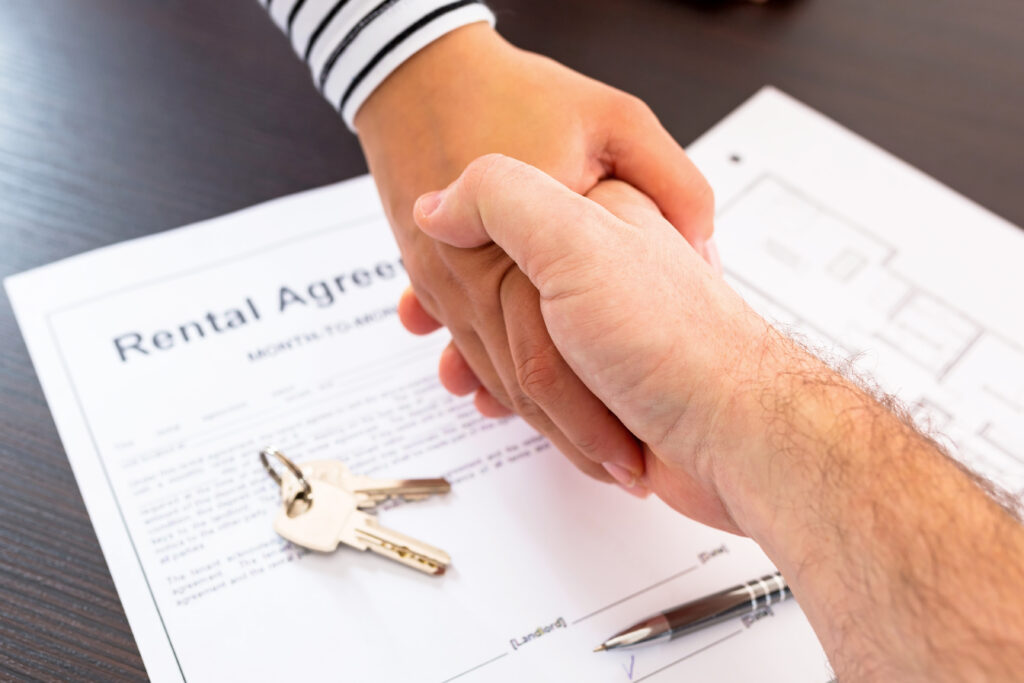
You must locate this document immediately, as it outlines the exact steps you must take.
Notifying the rental company is a contractual duty
Your rental agreement contains a clause that requires you to report any accident or damage to the company promptly. This is not a suggestion. Failing to notify them within the timeframe specified in the contract can give them grounds to void any insurance coverage you purchased at the counter.
This single mistake could leave you personally liable for the full value of the vehicle and any other damages.
Deciphering the Overlapping Layers of Insurance
The biggest source of confusion in a rental car accident is determining which insurance policy pays for what. You may have three or even four potential sources of coverage, and insurance companies often dispute which one is primary, secondary, or tertiary.
An attorney cuts through this confusion and compels the correct insurers to respond.
Layer 1: Your personal auto insurance policy
For most drivers with comprehensive coverage, their personal auto policy is the foundation. Most standard policies in Minnesota and Wisconsin extend liability and collision protection to a vehicle you are temporarily renting for personal use. Your insurer will likely be the first company to handle claims for liability and damage to the rental car.
Layer 2: Coverage purchased at the rental counter
The agent at the rental desk likely offered you a menu of insurance options. If you accepted any, they add another layer of protection that works in conjunction with your personal policy.
- Loss Damage Waiver (LDW) / Collision Damage Waiver (CDW): This is not insurance but a waiver. The rental company agrees not to hold you financially responsible for damage to or theft of their car. It is often the most straightforward way to cover the vehicle itself.
- Supplemental Liability Insurance (SLI): This policy increases your liability limits beyond what your personal auto policy provides. It protects you if you cause a serious accident resulting in catastrophic injuries to others.
Layer 3: Credit card rental car benefits
Many premium credit cards offer rental car insurance as a benefit, provided you use that specific card to reserve and pay for the rental. This coverage is almost always secondary, meaning it only applies after your personal auto insurance has paid its limits.
It can be valuable for covering your deductible or other costs your primary policy excludes, but the claims process is often difficult and requires extensive documentation.
The Role of Minnesota's No-Fault Law
Despite this complexity, Minnesota’s No-Fault system provides a clear starting point for your own injuries. Under Minnesota law, including Minnesota Statutes § 65B.44, your own Personal Injury Protection (PIP) coverage pays for your initial medical expenses and lost wages.
This is true no matter who was at fault for the crash and is a crucial first source of benefits while the larger liability questions are sorted out.
Scenario 1: You caused the accident in the rental car
If the police report determines you were at fault, you face a two-front financial battle: compensating those you injured and paying for the rental vehicle you damaged.
Your responsibility for injuries to others
Your negligence makes you responsible for the medical bills, lost wages, and pain and suffering of anyone injured in the other vehicle. Your personal auto policy’s bodily injury liability coverage is the primary payer. If the damages exceed your policy limits, any Supplemental Liability Insurance (SLI) you purchased from the rental company would then provide the next layer of protection. Without enough coverage, your personal assets could be at risk.
Paying for the Damaged Rental Car
The rental company will move quickly to demand payment for their vehicle. How this plays out depends on the coverage choices you made. If you purchased the LDW/CDW, the rental company should handle the repairs without billing you.
If you declined it, you must file a claim with your personal auto insurer’s collision coverage or your credit card’s benefit administrator. The rental company will demand more than just the repair costs.
They will pursue you for a list of fees designed to make them whole, and these charges are often inflated.
- Loss of use: A daily fee charged for every day the car is out of service for repairs. The company must prove they had no similar cars to rent, a fact that can be challenged.
- Diminished value: A claim for the loss in the vehicle's resale value now that it has an accident history. This amount is highly subjective and negotiable.
- Administrative fees: Charges for their internal time and paperwork spent processing the claim.
An attorney can audit these charges, demand proof, and negotiate them down to a reasonable amount.
Scenario 2: The other driver was at fault
When another driver hits you, they are legally responsible for your damages. However, you are still bound by your contract with the rental company and must navigate a process where you are stuck in the middle.
Your Personal Injury Claim
Your claim for your own injuries proceeds against the at-fault driver's insurance company. You seek compensation for your medical expenses exceeding your PIP limits, total lost income, and non-economic damages like pain and suffering.
The fact that you were in a rental vehicle does not diminish your right to a full recovery for the harm you suffered.
The rental company's property damage claim
While you pursue your injury claim, the rental agency will pursue its own property damage claim against the same at-fault driver. This is called subrogation. This can create a conflict.
If the at-fault driver has low policy limits, you may find yourself competing with the rental car company for the same limited pool of insurance money. Your need to pay for surgery and the rental company’s need to fix a bumper are valued very differently, and you need an advocate to prioritize your interests.
Essential Steps Following a Rental Car Crash
Your actions immediately after the accident can protect your health and finances or create long-term problems. You must be methodical and proactive.
Follow these steps to protect your rights and fulfill your obligations.
- Get medical attention. Go to an urgent care or emergency room for a full evaluation. This protects your health and creates a medical record linking any injuries to the crash.
- Call the police. A police report provides an objective account of the accident and is a critical piece of evidence for all insurance claims.
- Notify the rental company. Use the emergency number on your rental agreement to report the accident immediately. Follow their instructions precisely and document who you spoke to and when.
- Report to your auto insurer. Inform your own insurance company of the accident, regardless of who was at fault. Open a claim so they can begin their investigation.
- Contact your credit card company. If you paid with a card that offers rental benefits, call the number on the back of the card to initiate their claims process. They have strict deadlines and documentation requirements.
Missing any of these steps can result in a rightful denial of coverage, leaving you exposed to significant financial risk.
FAQ for Car Accidents in a Rental Vehicle
What if the person who crashed my rental was not on the rental agreement?
This creates a serious legal and financial problem. Most rental agreements and personal auto policies exclude coverage if an unauthorized driver is behind the wheel.
The rental company's insurance (LDW/SLI) is likely voided, and your own insurer may deny the claim. This could leave the unauthorized driver personally liable for all injuries and property damage.
How does the location of the accident (Minnesota vs. Wisconsin) change my claim?
The state where the crash happens dictates the law that applies. Minnesota’s No-Fault system means your own PIP coverage pays your initial medical bills. Wisconsin is a traditional tort state, so the at-fault driver's insurance is responsible for your bills from day one. This changes the entire initial claims process for your injuries.
The rental company says I have to pay their internal "damage appraiser." Is this legitimate?
Some rental companies will try to have their own employees assess the damage and will bill you for that assessment. You have the right to demand an independent appraisal from a neutral body shop. Do not pay for their internal estimates without challenging them. An attorney can help you assert this right.
I was using the rental car for my job. Does my employer's insurance play a role?
Yes. If you were driving the rental for work-related tasks, your employer's commercial auto policy and workers' compensation insurance may be involved. The employer's policy might even be primary over your personal insurance. You must report the accident to your employer immediately so they can notify their carriers.
From a Complex Wreck to a Clear Strategy
A rental car accident forces you to deal with your physical recovery while simultaneously fighting a multi-front battle against insurance companies and a rental corporation.

You need an advocate who can manage the situation, unravel the web of insurance policies, and protect you from unfair charges and liability. The attorneys at Tyroler Leonard Injury Law, Isaac Tyroler and Rachel Sperling Leonard, understand the unique legal challenges that arise from accidents in rental vehicles.
Serving clients throughout Minnesota and Wisconsin from our offices in Minneapolis, Oakdale, and Willmar, we are prepared to manage the complexities of your case. An experienced Minneapolis personal injury lawyer from our team ensures you can focus on your recovery while we fight for the compensation you need.
Se habla español. Llámenos para una consulta gratuita.
Call our office at (651) 259-1113 or complete our online contact form to schedule a free, no-obligation consultation today.