The world looks different now. Colors may seem muted, light may cause a searing pain, and the simple act of focusing on a loved one’s face may be a struggle. An injury to your eye is more than a physical wound; it alters your perception of everything.
This new, altered reality brings with it serious legal considerations for eye injuries in personal injury cases. When someone’s negligence is the reason your world has changed, holding them accountable is a vital step toward securing the resources you need for a future that looks very different than you had planned.
Key points on eye injury claims
- An eye injury is a catastrophic event that affects every aspect of your life, from your ability to work and drive to your capacity to enjoy hobbies and interact with the world.
- Proving the full value of an eye injury claim requires extensive medical evidence from ophthalmologists and other specialists to document the long-term prognosis and future care needs.
- Liability can stem from many types of accidents, including car crashes, workplace incidents involving third parties, and the use of defective products that lack proper safety features.
- Compensation in these cases must account for a lifetime of losses, including diminished earning capacity, the cost of adaptive technologies, and the profound non-economic loss of vision.
The Unique Nature of an Eye Injury Claim
Unlike a broken bone that heals or a laceration that fades, an injury to the eye can result in permanent, life-altering changes. The legal approach to these cases must reflect the profound severity of the loss.
It is not just about the initial medical treatment; it is about acknowledging a fundamental change in how a person experiences life.
The loss of a primary sense
Your sight is integral to your independence, your career, and your personal joy. A serious eye injury can take that away. The loss of vision, even in one eye, affects depth perception, balance, and spatial awareness.
This can make once-simple activities like driving a car, playing a sport, or even walking down a crowded hallway difficult and dangerous.
The high stakes and complex evidence
Because the consequences of an eye injury are so severe and long-lasting, these claims are often complex. They require a deep level of medical evidence to show the full extent of the damage.
Insurance companies may fight these claims vigorously because the potential compensation is significant. A successful claim is built on a foundation of detailed proof from medical and financial professionals.
Common Causes of Traumatic Eye Injuries
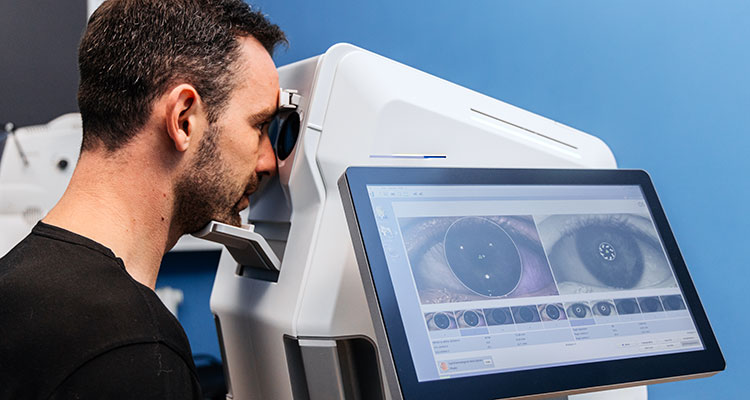
An eye is a delicate organ, and it is vulnerable to injury in many types of accidents. When a person or company fails to take reasonable safety precautions, their negligence can lead directly to a catastrophic eye injury.
Car and truck accidents
The force of a vehicle collision can send shattered glass, metal fragments, and other debris flying through the cabin. A deploying airbag, while a critical safety feature, can also strike the face with tremendous force, causing direct trauma to the eye.
The head striking a steering wheel or side window is another common mechanism for serious orbital fractures and globe ruptures.
Workplace incidents and third-party claims
Construction sites and industrial settings are filled with hazards that can cause eye injuries. While an employee is typically limited to a workers' compensation claim against their employer, an independent contractor or an employee injured by a separate company (a third party) may file a personal injury lawsuit.
The trauma from these events can cause a range of specific injuries, each with its own long-term prognosis.
This medical detail is a core part of your legal claim.
- Corneal abrasions: Scratches on the surface of the eye that can cause pain and light sensitivity.
- Detached retina: A medical emergency where the retina pulls away from its normal position, potentially leading to blindness if not treated immediately.
- Globe rupture: A severe injury where the eyeball itself is torn or bursts due to blunt force trauma or a penetrating object.
- Orbital fracture: A break in the bones that form the eye socket, which can cause vision problems and require surgery.
- Chemical burns: Exposure to caustic chemicals that can cause permanent scarring and vision loss.
Each of these conditions requires immediate and often prolonged care from specialists. The documentation of this care is a vital part of proving your damages.
Defective products
A product that is designed or manufactured improperly can cause a devastating eye injury. This can include power tools that lack proper safety guards, safety goggles that shatter on collision, or household chemicals in containers that leak or spray unexpectedly.
In these cases, a product liability claim may be brought against the manufacturer, distributor, or retailer of the faulty product.
Building the Foundation of Your Claim
A claim for a serious eye injury requires a meticulous and proactive approach to gathering evidence. The goal is to create a clear, undeniable link between the negligent act and the specific, long-term harm you have suffered.
Specialized medical evidence
Your medical records are the most important evidence in your case. This goes beyond the initial emergency room report. It includes detailed records from an ophthalmologist, a retinal specialist, or an oculoplastic surgeon.
These records will document your diagnosis, your treatment plan, and, most importantly, your long-term prognosis. An opinion from a medical professional about the permanency of your vision loss is a cornerstone of your claim.
Documenting the effect on your daily life
You are the best witness to how this injury has changed your world. Keeping a detailed journal can be a powerful tool. In it, you can document not just your physical pain, but the daily frustrations and challenges you now face.
A journal helps to capture the full scope of your new reality.
- Difficulties with reading, using a computer, or seeing your phone.
- Losing the ability to participate in hobbies like painting, sewing, or sports.
- Challenges with personal care, cooking, or navigating your own home.
- Feelings of anxiety or depression related to your vision loss.
- The inability to drive, resulting in a loss of independence.
This personal account helps to translate the cold medical terms into a real human story. It shows the true, day-to-day consequences of the injury.
Calculating the Full Scope of Your Losses
The purpose of a personal injury claim is to pursue compensation that accounts for every loss you have suffered, both now and in the future. For an eye injury, this calculation is complex and must consider a lifetime of needs and challenges.
The National Eye Institute (NEI) provides data showing the significant economic burden of vision loss, which supports the need for a comprehensive damage calculation.
Economic damages
Economic damages are the tangible, financial losses you have incurred. This category goes far beyond the initial hospital bill. A thorough claim will account for a lifetime of potential expenses.
This can include the cost of future surgeries, prescription eye drops, specialized glasses, and ongoing visits with specialists. It also includes your lost income and, critically, your diminished future earning capacity if the injury prevents you from returning to your previous career.
Non-economic damages
Non-economic damages are meant to compensate you for the intangible, human losses you have suffered. There is no simple formula for this. It involves showing the severity of your pain and suffering, your emotional distress, and your loss of enjoyment of life.
For an eye injury, this is a central part of the claim. The loss of sight is a profound loss that affects your ability to see the world, watch your children grow, and engage in the activities that bring you joy.
Legal Standards and Timelines in Minnesota and Wisconsin
Your claim will be governed by the laws of the state where the injury occurred. Both Minnesota and Wisconsin operate under a system of negligence, but they have different deadlines for filing a lawsuit.
Minnesota's six-year statute of limitations
In Minnesota, you generally have six years from the date of your injury to file a personal injury lawsuit, as outlined in Minnesota Statute § 541.05. While this is a long period, it is always best to begin the legal process promptly to preserve evidence.
Wisconsin's three-year statute of limitations
Wisconsin has a much shorter deadline. According to Wisconsin Statute § 895.045, you must file your claim within three years of the injury date. Missing this deadline will almost certainly bar you from ever recovering compensation.
Don’t Rely on AI Chat Tools for Minnesota or Wisconsin Legal Advice
An artificial intelligence tool can give you general information about eye injuries, but it cannot analyze the specifics of your medical prognosis or the applicable laws in Minnesota or Wisconsin.
Relying on an AI for legal guidance may cause you to make serious errors in your claim. Always consult with a qualified personal injury attorney for advice about your case.
Frequently Asked Questions About Eye Injury Cases
How is partial vision loss valued in a settlement?
There is no set schedule or formula. The value depends on a detailed evaluation of how the specific vision loss affects your life. An attorney will use medical reports, expert testimony from vocational specialists, and your own account to build a case that shows the full scope of the loss and what that means for your future, both personally and professionally.
What if I had a pre-existing condition in that eye?
A pre-existing condition does not prevent you from filing a claim. The negligent party is responsible for any aggravation or worsening of that condition. A medical expert can provide an opinion that distinguishes your prior condition from the new harm caused by the accident.
Can I file a claim if I wasn't wearing safety glasses at work when injured by a third party?
This may introduce the issue of comparative fault, where the defense argues you were partially responsible. However, it does not automatically bar your claim against a negligent third party. The primary focus will still be on the actions of the person or company that created the hazard.
How long does a case involving a serious eye injury usually take?
These cases often take longer than a standard injury claim because the full extent of the damages may not be known for some time. It is often necessary to wait until you have reached "maximum medical improvement" to have a clear picture of the permanent effects of the injury. This ensures that any settlement or verdict accounts for your complete, long-term needs.
Focus on Your Future
The path forward after a serious eye injury is challenging. You should be able to dedicate your energy to healing and adapting to your new reality without the added stress of a legal battle.
The attorneys at Tyroler Leonard Injury Law are here to provide the supportive and dedicated representation you need. We manage the complex investigation, work with medical and financial experts, and fight for the full compensation you need to secure your future.
To begin with a free, no-obligation consultation, please call us at (952) 567-2488 or connect with us through our online contact form.