A car ride in St. Paul can feel routine until a sudden crash changes everything. Passengers often carry deep confusion and guilt after an accident, especially when the driver made a mistake. Many people quickly wonder, can you sue the driver you were riding with if you were injured as a passenger?
Minnesota law gives injured passengers the right to pursue a claim, even when the at-fault driver sits just a few feet away in the same vehicle. Injuries interrupt work, family routines, sleep, and independence, and those effects linger long after emergency care ends.
A skilled attorney can shoulder the legal burden while you focus on healing. A car accident lawyer near you can review your situation and explain your options during a free consultation.
Key Takeaways: Passengers Suing Drivers Who Cause Accidents
- Minnesota law allows injured passengers to bring claims against any driver who caused or contributed to a crash.
- A personal relationship with the driver doesn’t remove a passenger’s legal rights.
- Comparative fault rules divide responsibility and influence financial recovery.
- No-fault insurance pays initial benefits, with additional claims available for serious injuries.
- Acting promptly helps preserve evidence and protects insurance rights.
Can a Passenger Sue the Driver They Were Riding With?
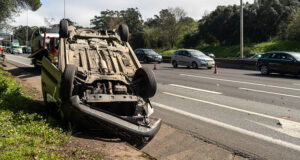
Passengers often hesitate to consider legal action, especially when emotions run high. Minnesota law looks past personal relationships and focuses on responsibility for the collision. When a driver’s actions cause harm, the injured passenger has a legal path forward.
Minnesota Law Allows Passengers to File Claims Against Any At-Fault Driver
Minnesota traffic laws protect passengers as independent parties. A driver who speeds, ignores traffic signals, or drives while distracted may bear responsibility for injuries. A collision near Rice Street caused by unsafe lane changes still opens the door for a passenger claim, even though the passenger had no control over the vehicle.
You Have the Right to Seek Compensation Regardless of Your Relationship with the Driver
Insurance coverage exists for moments like this. Most passenger injury claims rely on auto insurance rather than personal funds. When injuries require emergency treatment or ongoing care at places like Regions Hospital, insurance coverage plays a major role in addressing medical costs.
Comparative Fault Rules May Impact Your Recovery
Minnesota applies a comparative fault system. This system weighs each party’s role in the crash. If another driver shares responsibility, fault percentages affect how much each insurer pays.
What Types of Compensation Can Passengers Recover in Minnesota?
Passengers injured in Minnesota car accidents often face expenses and losses that reach far beyond the initial emergency visit. State law allows injured passengers to pursue payment for a range of harms connected to the crash, including filing a car accident lawsuit when another driver’s negligence caused the injuries. The specific categories depend on the facts of the case, the severity of the injuries, and how the injuries affect daily life over time.
Medical Expenses and Future Healthcare Costs
Ambulance transport, emergency care, surgery, physical therapy, medication, and follow-up visits all factor into a claim. Some injuries require months or years of treatment. Claims may include projected future care when doctors expect ongoing needs, including rehabilitation at clinics like HealthPartners Specialty Center.
Lost Wages and Loss of Earning Capacity
Missed work leads to lost income. Some injuries reduce the ability to return to the same job or work the same hours. Employer records, pay stubs, and medical notes help show how injuries affect earning power.
Pain and Suffering
Minnesota law recognizes the day-to-day impact of injuries. Ongoing discomfort, sleep disruption, limited mobility, and loss of normal activities all shape this category of damages.
Property Damage
Passengers often lose personal belongings during a crash. Phones, glasses, laptops, or child safety equipment damaged in a collision may become part of a claim.
Does It Matter if the Driver Was a Friend or Family Member?
Crashes involving people you know add emotional weight to an already stressful situation. Minnesota law separates personal relationships from legal rights.
Personal Relationships Don't Affect Your Legal Rights
Friendship or family ties don’t erase the right to pursue a claim. Minnesota law treats the injured passenger the same way regardless of who drove. Responsibility hinges on driving behavior, not personal history.
Insurance Covers the Claim, Not the Driver's Personal Assets
Most passenger claims rely on auto insurance policies. These policies exist to handle injury claims and protect drivers from personal financial exposure. Insurance companies pay claims based on policy terms, which often eases fears about harming a loved one financially.
Having Difficult Conversations After an Accident
Open communication often helps preserve relationships. Explaining that insurance handles the claim rather than personal savings can calm tensions. Legal guidance often helps structure these conversations in a respectful, clear way that keeps the focus on recovery rather than blame.
What if Multiple Drivers Were at Fault for the Accident?
Many crashes involve more than one poor decision. Minnesota law recognizes shared responsibility and provides a framework for handling multi-vehicle collisions.
Minnesota's Comparative Fault System Explained
Comparative fault assigns percentages of responsibility to each party. For example, a crash near Marshall Avenue might involve one driver speeding while another fails to yield. Each action contributes to the outcome, and fault percentages reflect that reality.
How Liability Is Divided Among Multiple Parties
Insurance companies review police reports, witness statements, traffic camera footage, vehicle damage, and medical records. Each insurer evaluates how much responsibility their policyholder carries. These evaluations determine how much each policy contributes to the overall recovery.
Recovering from Multiple Insurance Policies
When several drivers share fault, multiple insurance policies may apply. A passenger claim may draw from more than one source, which helps address extensive medical needs and wage losses. Treatment at facilities like United Hospital often continues while insurance negotiations unfold.
How Does Minnesota's No-Fault Insurance System Affect Passenger Claims?
Minnesota’s no-fault insurance system shapes how passenger injury claims begin and how they move forward. This system pays certain benefits right away, without waiting for fault decisions, which helps injured passengers access care and wage support early. At the same time, no-fault rules don’t prevent a passenger from pursuing additional claims when injuries reach a certain level.
PIP Coverage Provides Initial Benefits Regardless of Fault
Personal Injury Protection, commonly called PIP, covers medical expenses and lost income after a crash, no matter who caused it. Passengers usually receive PIP benefits through the insurance policy covering the vehicle they rode in. These benefits help pay for emergency treatment, follow-up care, prescriptions, and a portion of lost wages while recovery begins.
When You Can Step Outside the No-Fault System
No-fault coverage has limits. When injuries cause permanent impairment, long-term disability, or medical expenses that exceed statutory thresholds, Minnesota law allows injured passengers to pursue claims against the at-fault car accident driver or drivers. Stepping outside the no-fault system opens the door to seeking additional payment related to the broader impact of the injuries.
Meeting Minnesota's Serious Injury Threshold
Minnesota law defines specific thresholds that allow claims beyond PIP coverage. These thresholds often relate to the total cost of medical care or the lasting nature of an injury. Medical records, diagnostic tests, and physician opinions help show whether an injury meets the standard required to move beyond no-fault benefits and pursue further recovery.
What if the Driver Wasn't Insured or Was Underinsured?
Learning that the driver who caused your injuries carried little or no insurance adds another layer of stress after a crash. Car accident medical bills, missed work, and ongoing treatment don’t pause just because coverage falls short. Minnesota law includes protections that help injured passengers pursue payment even when the at-fault driver lacks adequate insurance.
Uninsured Motorist Coverage Protections for Passengers
Uninsured motorist coverage steps in when the at-fault driver carries no insurance. Passengers often qualify for this coverage under the policy tied to the vehicle involved.
Underinsured Motorist Coverage Options
Underinsured motorist coverage applies when the at-fault driver’s policy fails to cover the full scope of losses. This coverage can supplement payments from the other driver’s insurer.
Exploring Other Sources of Compensation
Additional sources may include other drivers’ policies, umbrella coverage, or policies held by household members. A thorough review helps identify every available option.
How Long Do You Have to File a Claim in Minnesota?
Most personal injury claims allow six years from the accident date. This timeline applies to many passenger injury cases.
Why You Shouldn't Wait to Take Action
Evidence fades with time. Witnesses move, memories blur, and physical evidence disappears. Early action helps preserve police reports, medical records, and scene details from areas like West Seventh Street.
Exceptions That May Shorten or Extend the Deadline
Claims involving minors, government vehicles, or unique circumstances may follow different timelines. Legal guidance helps clarify which deadline applies.
How Tyroler Leonard Injury Law Can Help

At Tyroler Leonard Injury Law, we focus on supporting injured passengers through every stage of a claim. We understand how unsettling it feels to rely on someone else’s driving decisions and then face injuries because of them.
Our role involves taking on the legal and insurance burdens so you don’t have to handle those pressures while trying to heal. From the first conversation, we listen carefully, review what happened, and explain realistic paths forward based on Minnesota law.
A Strong Record Reflected in Client Reviews
Our personal injury attorneys have earned consistent five-star feedback from people who trusted us after serious vehicle accidents, including truck-related collisions. While past results don’t predict future outcomes, that history reflects preparation, persistence, and attention to detail. We build cases carefully, using medical records, crash reports, and clear documentation of losses to present claims that insurance companies must take seriously.
Clear Communication and Ongoing Support
We believe good legal representation includes regular updates and honest conversations. Our team explains each step in plain language, answers questions promptly, and makes sure you understand how insurance decisions may affect your claim. This approach helps you stay informed without feeling buried in paperwork or legal jargon.
Careful Preparation That Strengthens Claims
Our work goes beyond filling out forms. We collect medical records, review treatment plans, consult with healthcare providers when needed, and analyze car crash evidence. When insurers delay, dispute responsibility, or undervalue injuries, we respond with organized facts and well-supported arguments. That preparation helps push claims toward fair resolution rather than rushed decisions.
Advocacy Focused on Your Best Interests
Every case receives individualized attention. We handle deadlines, communications, and negotiations while keeping your priorities front and center. By managing the legal process from start to finish, we allow you to focus on recovery, family responsibilities, and rebuilding daily routines after an injury.
FAQs About Passenger Injury Claims in MN
Can I sue the driver if I wasn't wearing a seatbelt?
Minnesota law may reduce recovery based on seatbelt use, yet lack of a seatbelt doesn’t automatically block a claim. Comparative fault rules determine how that factor affects the outcome.
What happens if the driver who caused my injuries is a minor?
Claims usually proceed through the minor’s insurance policy. Parents or guardians often carry the coverage involved.
Can I still recover compensation if I was partially at fault as a passenger?
Passengers rarely share fault. Situations involving distraction or interference may affect comparative fault, yet the law still allows recovery when fault remains below certain limits.
Will filing a claim against my friend or family member ruin our relationship?
Insurance typically handles payment. Many relationships remain intact once everyone understands the process focuses on coverage rather than personal blame.
What if the accident happened while I was in a rideshare vehicle like Uber or Lyft?
Rideshare companies carry layered insurance coverage. Claims depend on the driver’s status at the time of the crash.
Contact Our Experienced Car Accident Attorneys in St. Paul Now

Passenger injury cases move quickly, and early legal support protects your position. Tyroler Leonard Injury Law offers local insight into St. Paul roadways, from Summit Avenue to University Avenue, and understands how insurers evaluate passenger claims. When injuries require ongoing care at places like Fairview Health Services, our firm works to document every loss connected to the crash.
Reach out for a free consultation to learn how our dedicated legal team can support your recovery and pursue fair payment for what you’ve endured.