A rear-end crash with a semi-truck often leaves families in Minneapolis searching for answers while coping with injuries or the loss of someone they love. Catastrophic injury claims arising from rear-end collisions with semi-trucks raise serious questions about accountability, safety rules, and long-term support for recovery.
When another party caused the crash, a skilled attorney can take on the legal burden, protect evidence, and push back against insurance tactics while you focus on healing. Reaching out to a truck accident lawyer near you for a free consultation offers a starting point and clear direction during a difficult period.
Key Takeaways: Catastrophic Injuries Arising from Rear-End Truck Crashes
- Rear-end impacts with semi-trucks involve extreme force that leads to severe injuries and long recovery timelines.
- Minnesota law allows claims against drivers, trucking companies, and other responsible parties when their conduct caused harm.
- Federal and state trucking rules often supply proof when safety violations played a role.
- Early evidence preservation shapes the strength of a claim and protects key records.
- Acting promptly helps safeguard deadlines and improves access to reliable proof.
Understanding Rear-End Semi-Truck Collisions in Minnesota
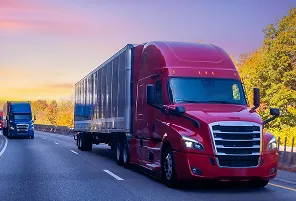
Rear-end crashes with commercial trucks differ from everyday car accidents. Size, speed, and strict safety rules shape how these cases unfold across Minnesota roads.
The Physics of Commercial Truck Impacts
A loaded tractor-trailer can weigh up to 80,000 pounds. When that mass strikes a smaller vehicle from behind, momentum transfers with enormous force. Even at moderate speeds, the energy involved can crush frames, collapse seating areas, and cause internal injuries that demand immediate care at facilities like Hennepin County Medical Center.
Common Causes of Rear-End Truck Accidents
Many rear-end truck crashes trace back to preventable conduct. Examples include distraction, fatigue from long shifts, following too closely, and delayed braking. Mechanical issues such as worn brakes also play a role. Each cause points to different sources of responsibility and different records that help prove fault.
Minnesota's Unique Road Conditions and Truck Traffic
Seasonal weather, construction zones, and heavy freight traffic increase risk on routes such as Interstate 94 near the Lowry Hill Tunnel. Snow, ice, and reduced visibility demand extra care from commercial drivers. When companies or drivers ignore these conditions, the results can devastate nearby motorists.
What Makes Rear-End Semi-Truck Accidents So Devastating?
The harm from a rear-end semi-truck collision extends far beyond vehicle damage. The mechanics of these crashes explain why injuries often prove severe.
Massive Weight and Force Differentials
Passenger vehicles lack the structural strength to absorb the force of a tractor-trailer. Frames crumple, and safety systems reach their limits. Occupants experience sudden deceleration that strains the brain, spine, and internal organs.
Underride Accidents and Severe Injuries
Some rear-end crashes involve underride, where a smaller vehicle slides beneath the trailer. Guards aim to prevent this outcome, yet failures still occur. Underride often leads to traumatic brain injuries, spinal cord damage, or fatal outcomes that affect entire families.
Common Catastrophic Injuries from Truck Rear-End Collisions
Doctors at centers like Abbott Northwestern Hospital frequently treat injuries such as:
- Traumatic brain injury: Blunt force or rapid movement disrupts brain function and affects memory, speech, and mood.
- Spinal cord damage: Compression or severing of the spinal cord alters mobility and sensation.
- Severe burns: Fuel fires cause deep tissue damage and long-term scarring.
- Multiple fractures: High-impact forces break bones and require surgery and rehabilitation.
Who Is Liable in a Minnesota Rear-End Truck Accident?
Responsibility in truck cases often extends beyond the person behind the wheel. Minnesota law examines each party’s role in causing the crash.
The Truck Driver's Responsibility
Drivers must control speed, maintain safe following distance, and stay alert. When distraction, fatigue, or impairment leads to a rear-end impact on roads like Lake Street, the driver bears responsibility for the resulting harm.
Trucking Company Liability Under Minnesota Law
Companies shape driver schedules, maintenance practices, and safety culture. Pressure to meet delivery deadlines sometimes encourages unsafe behavior. Minnesota law allows claims against employers whose policies or oversight contributed to a crash.
Third-Party Liability: Maintenance Companies and Cargo Loaders
Outside contractors sometimes handle brake service, tire replacement, or cargo loading. Errors in these tasks create hazards on the road. Claims may target these third parties when their work led to mechanical failure or unstable loads.
Minnesota's Comparative Fault Rules in Truck Accidents
Minnesota follows a comparative fault system. Courts assign percentages of responsibility to each party. An injured person may still pursue damages when their share of fault remains below 51 percent, with recovery adjusted to reflect that share.
What Federal and Minnesota Regulations Apply to Commercial Trucks?
Truck safety rules supply a roadmap for accountability. Violations often provide strong support for claims.
Hours of Service Violations
Federal rules limit driving hours to reduce fatigue. Logs and electronic records show whether a driver exceeded those limits before a crash near the I-35W Mississippi River bridge.
Vehicle Maintenance Requirements
Regulations require regular inspections and repairs. Maintenance records reveal whether a company skipped needed service on brakes, tires, or lights.
Cargo Securement Standards
Rules govern how cargo must be loaded and secured. Shifting loads affect stopping distance and stability. Documentation from loaders and shippers helps identify failures.
Electronic Logging Device (ELD) Requirements
ELDs track driving time and rest periods. These devices create objective data that shows when a driver pushed beyond legal limits.
How Do You Prove Fault in a Rear-End Semi-Truck Collision?
Proving fault after a rear-end crash with a semi-truck takes more than pointing to vehicle damage. These cases depend on fast action, technical records, and a clear strategy for tying conduct to harm. An attorney plays a central role by identifying what evidence matters, securing it before it disappears, and presenting it in a way that holds the at-fault parties accountable.
Attorneys start by controlling the flow of information. Trucking companies and insurers often move quickly to shape the narrative. When we step in early, we direct communication, preserve evidence, and prevent key details from slipping away. That early involvement shapes the direction of the claim from the start.
Gathering Critical Evidence at the Scene
Attorneys know what details matter at the scene and in the immediate aftermath. Police reports, photographs, dashcam footage, and expert witnesses the first layer of proof. We review these materials for signs of speed, following distance, braking patterns, and road conditions. When a crash occurred near places like the I-394 interchange in Minneapolis, traffic cameras or nearby business surveillance may also exist. Attorneys know how to request and secure that footage before it gets recorded over.
Obtaining the Truck's Black Box Data
Most commercial trucks contain an event data recorder, often called a black box. This device captures speed, throttle position, braking force, and engine activity in the moments before impact. Attorneys send immediate preservation notices to prevent trucking companies from deleting or overwriting this data. Once secured, the data gets reviewed alongside physical evidence to confirm whether the driver reacted appropriately or failed to slow in time.
Securing Driver Logs and Company Records
Federal and state rules require truck drivers to track their hours and rest periods. Attorneys obtain driver logs, electronic logging device records, dispatch instructions, and trip schedules. These documents show whether fatigue played a role or whether the company pushed unrealistic delivery demands.
Employment files also matter. Training records, safety history, and prior violations help show patterns of behavior. When a driver lacked proper training or ignored safety rules, attorneys connect those facts directly to the crash.
Working with Accident Reconstruction Experts
Accident reconstruction turns raw data into a clear explanation of how the crash happened. Attorneys work with engineers who study skid marks, vehicle damage, road grade, and timing sequences. This analysis explains speed, reaction time, and impact force in plain terms. Judges, juries, and insurers rely on these findings when deciding fault.
Challenging Insurance Company Narratives
Insurers often argue that the smaller vehicle stopped suddenly or contributed to the crash. Attorneys counter these claims with evidence. Following-distance calculations, black box data, and road condition analysis often show that the truck driver failed to allow enough stopping space. When insurers attempt to shift blame, attorneys respond with documented proof rather than speculation.
What Compensation Can You Recover in Minnesota?

Claims aim to address measurable losses and the human cost of serious injury.
Economic Damages: Medical Bills and Lost Wages
Hospital stays, surgeries, therapy, and follow-up care generate substantial expenses at places like Fairview Riverside Hospital. Victims often face significant medical bills after a truck accident, along with lost income and reduced earning capacity that factor into economic damages.
Non-Economic Damages: Pain and Suffering
Severe injuries affect comfort, independence, and daily activities. Minnesota law allows recovery for these non-economic harms, reflecting how injuries disrupt normal routines and relationships.
Punitive Damages in Cases of Gross Negligence
Courts reserve punitive damages for conduct that shows deliberate disregard for safety. Repeated violations or falsified records may open the door to these additional damages.
What Is the Statute of Limitations for Truck Accident Claims in Minnesota?
Minnesota generally allows six years from the date of injury to file a personal injury lawsuit. This window applies to most truck accident claims.
Exceptions That May Shorten or Extend the Deadline
Claims involving government vehicles or wrongful death follow different timelines. Specific facts determine whether extensions apply.
Why Acting Quickly Matters in Truck Accident Cases
Early action preserves evidence and keeps memories fresh. Insurance companies often control key records, and delay increases the risk of lost proof.
How Tyroler Leonard Injury Law Can Help
Tyroler Leonard Injury Law supports people injured in rear-end semi-truck crashes by taking on the legal work and protecting their interests from day one. We focus on careful preparation, clear communication, and steady advocacy so you can concentrate on medical care and family needs while we handle insurers and corporate defendants.
Comprehensive Investigation and Evidence Preservation
We move quickly to secure time-sensitive proof. Our team sends preservation letters, requests black box data, gathers maintenance and inspection records, and collects witness statements before details fade. Early action helps keep key records intact and builds a solid foundation for the claim.
Negotiating with Insurance Companies and Corporate Defense Teams
We deal directly with insurers and defense teams that represent trucking companies. Our approach centers on documented losses, clear liability arguments, and consistent follow-through. When carriers attempt to shift blame or undervalue harm, we respond with evidence and persistence.
Litigation Experience in Complex Trucking Cases
Some cases require court involvement because insurers or at-fault parties refuse to accept responsibility. We prepare every matter with trial readiness in mind, developing exhibits, lining up testimony, and meeting procedural deadlines to keep pressure on the opposition.
Maximizing Your Compensation and Recovery
Clients work with attorneys recognized by peers and former clients for consistent results in truck cases. Prior outcomes never promise future results, yet careful preparation and client-focused advocacy place cases in capable hands.
Reviews from past clients reflect attentive care and determined representation aimed at pursuing the strongest financial recovery supported by the evidence.
Frequently Asked Questions About Rear-End Truck Accident Claims
What if the truck driver claims I stopped suddenly or brake-checked them?
Investigations look at speed, following distance, and reaction time. Data from the truck often shows whether the driver maintained safe spacing and attention.
Can I still recover compensation if I was partially at fault for the accident?
Minnesota’s comparative fault rules allow recovery when your share of responsibility stays below 51 percent. The court reduces damages based on that percentage.
How long does it take to settle a rear-end truck accident case in Minnesota?
Timelines vary based on injury severity, evidence, and insurer cooperation.
What if the trucking company offers me a quick settlement?
Quick offers often arrive before the full scope of injuries becomes clear. Reviewing any offer with an attorney helps assess whether it reflects current and future losses.
Do I need to hire a lawyer, or can I handle the insurance claim myself?
You need a lawyer. Truck cases involve federal rules, multiple parties, and extensive records. Legal representation manages these demands and protects your interests.
Let Our Truck Accident Attorneys in MN Help

Time-sensitive evidence and legal deadlines demand prompt action after a rear-end truck crash. Tyroler Leonard Injury Law brings focused attention to truck accident claims and stands ready to pursue accountability from those who caused harm.
For a free consultation, reach out to discuss your situation and learn how our firm can support your next steps.