In Minnesota, when someone suffers injuries on another person’s property, the legal principle of premises liability may apply. If you need premises liability explained—what it is, how it works under Minnesota law, and what constitutes property owner responsibility—you’re in the right place. Whether it’s a slip on an icy sidewalk, a fall in a poorly lit stairwell, or an accident caused by unsafe conditions in a store, property owners must maintain reasonably safe environments for visitors. When they fail to do so, they may be responsible for any resulting injuries. Learn more about this type of injury accident and how our Minnesota premises liability lawyers can help you.
What Is Premises Liability?
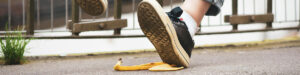
Premises liability is a legal concept that holds property owners and occupiers accountable for certain injuries that occur on their property. The theory is based on the idea of negligence—if an owner fails to maintain property in a reasonably safe condition, and if someone suffers injuries as a result, the owner may be liable.
Premises liability law applies to a wide variety of properties, including:
- Residential homes
- Apartment buildings
- Retail stores
- Restaurants
- Public buildings
- Parking lots
- Sidewalks
Premises Liability Explained: The Legal Basics
To establish a premises liability claim in Minnesota, a plaintiff (or the injured party) must prove four key elements:
- The defendant owned or controlled the property.
- The plaintiff was lawfully on the property.
- A dangerous condition existed on the property.
- The defendant knew or should have known about the condition and failed to fix or warn about it.
Let’s look at each of these elements in more detail.
1. Ownership or Control of the Property
The individual or entity that owns, leases, or otherwise controls the property is typically the party responsible for maintaining it. In some cases, a landlord and a tenant may share responsibility, depending on the terms of the lease and the nature of the hazard.
2. Legal Status of the Visitor
Minnesota recognizes three categories of visitors in premises liability cases.
- Invitees: Individuals invited onto the property for the benefit of the property owner (e.g., customers in a store).
- Licensees: Individuals on the property for their own purposes but with the owner’s consent (e.g., social guests).
- Trespassers: Individuals who enter without permission.
The property owner’s responsibility varies depending on the type of visitor. Owners owe the highest duty of care to invitees, a slightly lesser duty to licensees, and a minimal duty to protect trespassers from injury risks.
3. Presence of a Dangerous Condition
A dangerous condition could include things like:
- Ice or snow accumulation
- Uneven flooring or broken steps
- Poor lighting
- Wet floors without signage
- Loose carpeting or wires
- Falling merchandise or debris
The condition must pose an unreasonable risk of injury that the owner failed to address.
4. Knowledge of the Hazard
The injured party must demonstrate that the property owner knew—or reasonably should have known—about the danger and failed to take appropriate action. This might include failing to:
- Inspect the property regularly
- Clean up spills promptly
- Repair known hazards
- Warn visitors of dangers
Premises Liability Explained: Common Cases in Minnesota
Here are some common reasons people file premises liability cases after an injury accident.
Slip-and-Fall Accidents
Slip-and-fall injury accidents are among the most common that result in lawsuits. They frequently occur in grocery stores, on sidewalks, and on staircases, often due to icy Minnesota weather, wet floors, or obstructions. Our attorneys can help you prove fault in slip-and-fall accidents.
Negligent Security
If a property owner fails to provide adequate security in a location where the risk of crime is present, the owner could be liable for injuries resulting from an assault or robbery.
Dog Bites
While Minnesota has a separate statute addressing dog bite injury attacks, these incidents can also involve premises liability when the attack occurs on the owner’s property due to negligent containment or inadequate warning. Our Minnesota dog bite injury lawyers can help with these complex cases.
Swimming Pool Accidents
Unfenced or poorly maintained pools pose serious risks. In such cases, the property owner may be held liable for failing to prevent unauthorized access or neglecting safety features.
Property Owner Responsibility: What the Law Requires
In Minnesota, property owner responsibility includes a duty to take reasonable steps to prevent foreseeable harm. This doesn’t mean that owners are automatically liable for every injury on their property. However, they are expected to perform certain responsibilities, including:
- Conducting routine inspections
- Responding to the reporting of hazards promptly
- Posting warning signs when hazards can’t be immediately repaired
- Removing snow and ice promptly
- Ensuring stairs and handrails are safe
Importantly, the specifics of what’s “reasonable” depend on the situation. For instance, a homeowner may not be held to the same standard as a business owner who regularly welcomes customers to the business.
What to Do After a Premises Liability Injury Accident
If you’ve been injured on someone else’s property, taking the following steps can protect your rights.
- Seek medical attention immediately, even if your injuries seem minor at first.
- Report the incident to the property owner or manager.
- Document everything—take photos of the hazard, gather contact information for witnesses, and keep records of medical treatment.
- Do not give a recorded statement to insurance companies without speaking to our lawyers.
- Consult with premises liability attorneys when you need premises liability explained to understand your legal options.
Comparative Fault in Minnesota

Minnesota follows the doctrine of comparative fault. This means that if the injured person is partly at fault for the accident—such as if they were texting while walking—they can still recover damages, but their compensation will be reduced by their percentage of fault.
For example, if the total damages are $100,000 and the injured party is found to be 20% at fault, they would receive $80,000. If the injured party is more than 50% at fault, they cannot recover any damages.
Contact the Minnesota Premises Liability Lawyers at Tyroler Leonard Injury Law Today
Premises liability cases can be complex. You need to prove that a hazard existed, and the property owner knew about it and failed to act. These cases often involve legal and factual questions that require thorough investigation.
We understand how suffering an injury in an accident that wasn’t your fault can be highly disruptive—physically, emotionally, and financially. If you believe you’ve been hurt due to a property owner’s negligence, we’re here to help. Our Minnesota personal injury attorneys will review your case, gather evidence, and fight to secure the compensation you deserve.
If you have questions about your specific case or want premises liability explained in greater detail, call Tyroler Leonard Injury Law today at (651) 259-1113 for a free consultation.